Beyond the Boom: How Controls Attenuate Loss Magnitude
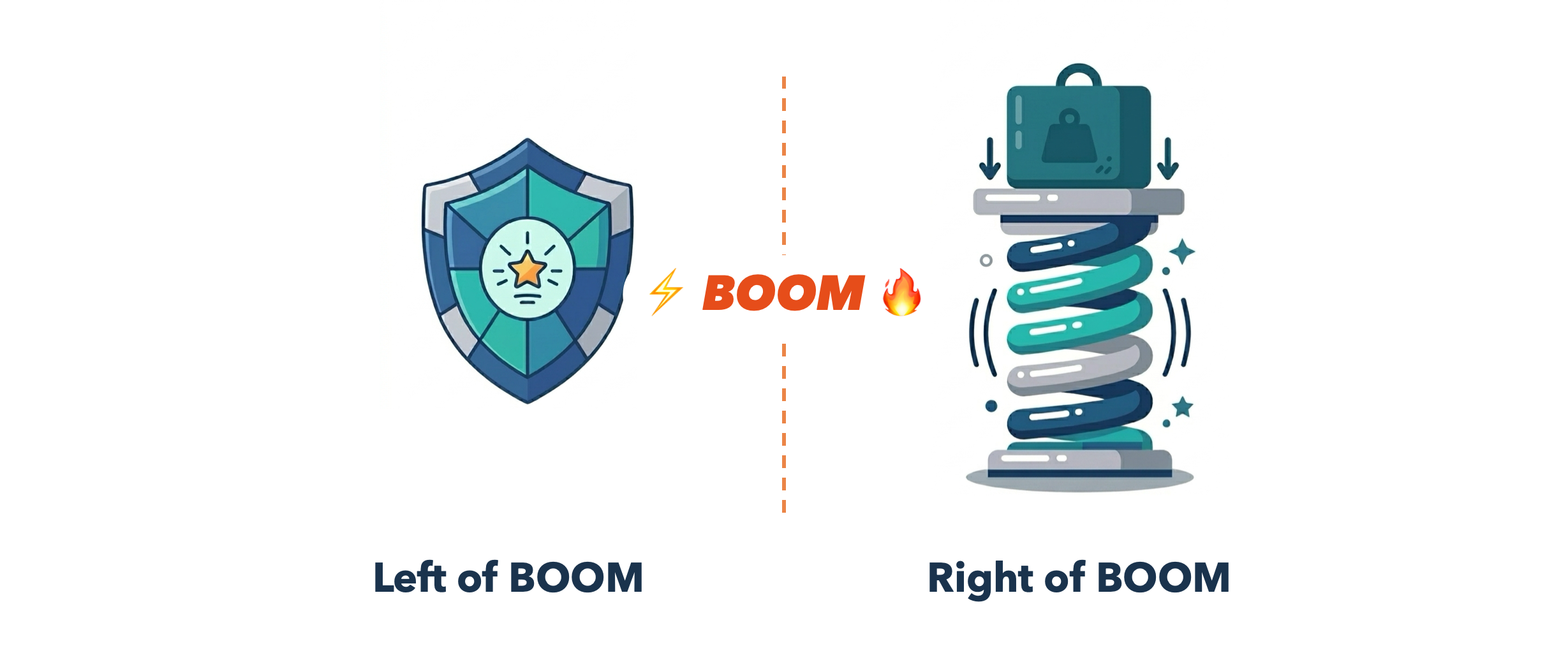
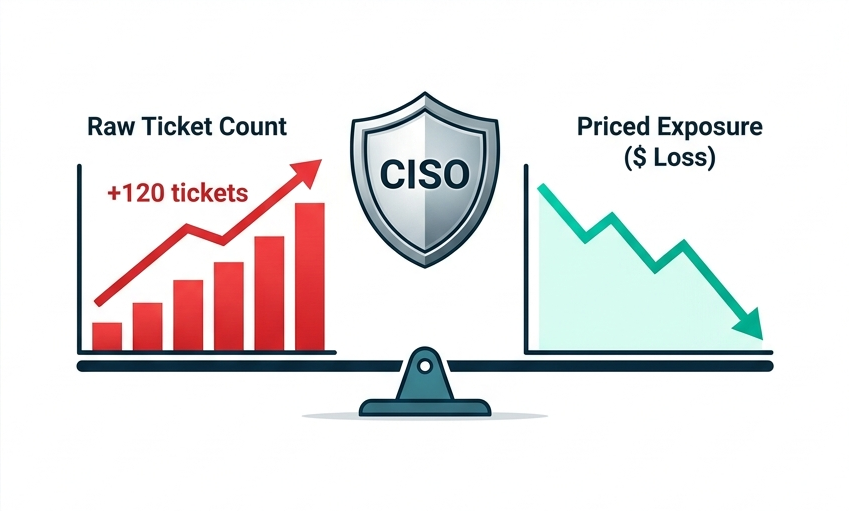
Can your security program tell the difference between a control that stops the bullet and one that stops the bleeding? Most can't: and that blind spot is costing you more than you think.

Can your security program tell the difference between a control that stops the bullet and one that stops the bleeding? Most can't: and that blind spot is costing you more than you think.

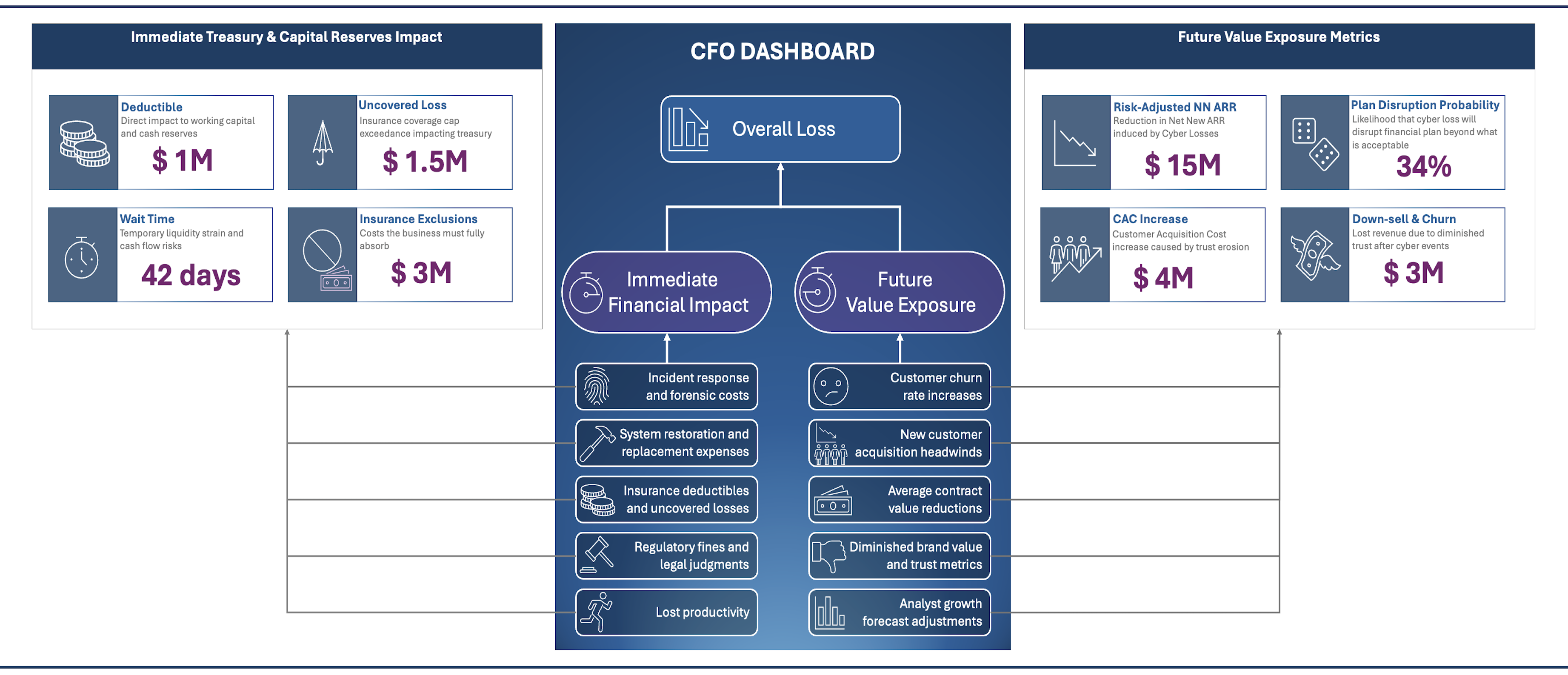
CISOs today must communicate cyber risk in terms CFOs and boards understand: cash flow, revenue disruption, and enterprise value. This article outlines a two-phase model for communicating cyber loss: Immediate Treasury Impact and Future Value Exposure, which aligns with how CFOs think about liquidity, treasury, cash reserves and growth risk. The approach allows CISOS to translate technical incidents into a financial narrative that supports strategic planning and investment.

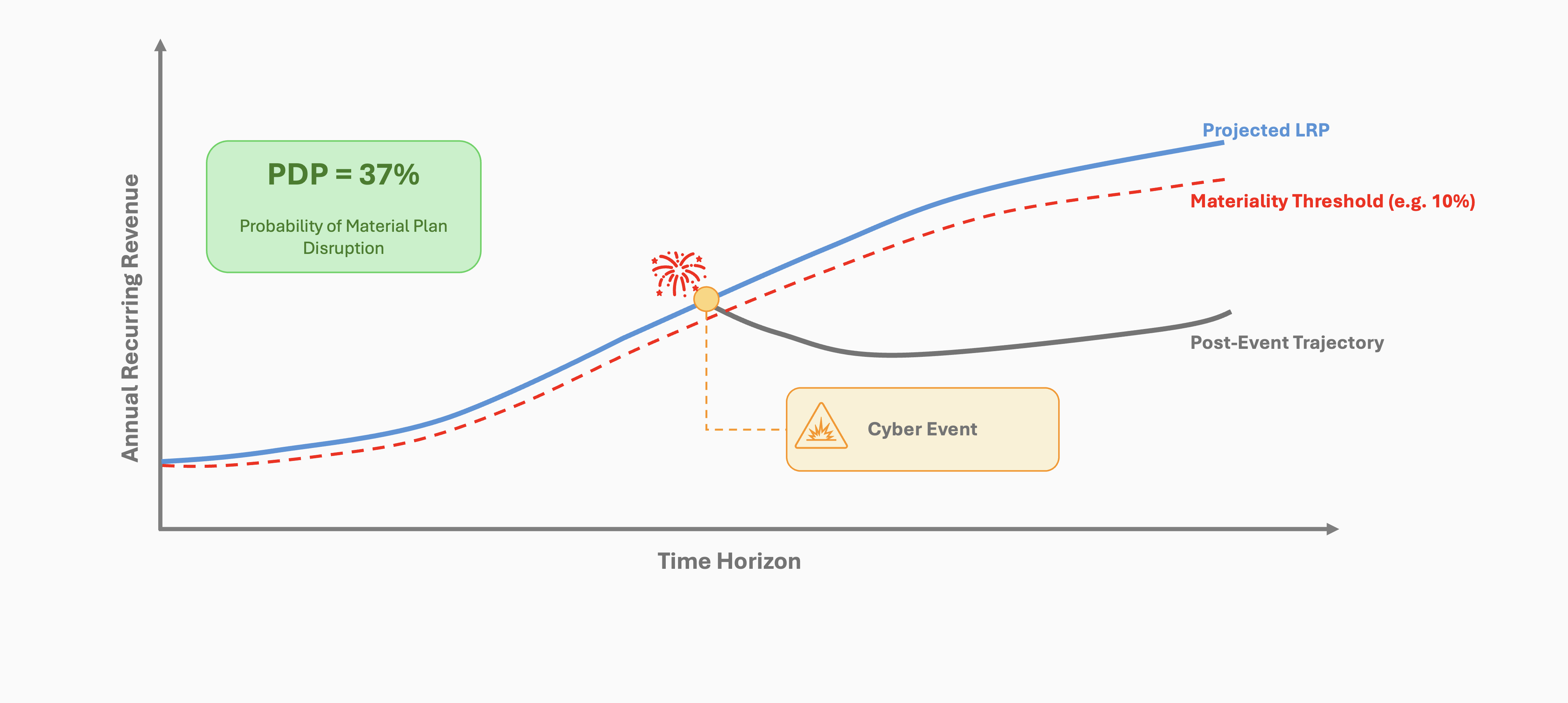
Cybersecurity isn’t just about stopping attacks - it’s about safeguarding the company’s ability to execute its long-range financial plan. Enter Plan Disruption Probability (PDP), a metric that quantifies the likelihood of cyber-induced losses materially derailing financial targets. By measuring PDP, organizations can proactively manage risk within appetite and ensure business resilience.
Security teams are often trapped in reactive cycles, firefighting incidents instead of addressing root causes or improving resilience. Gain strategic insight that helps you elevate your team's impact by unlocking time for proactive risk reduction and long-term improvement.
Your biggest security threat isn't malware - it's Mark from Accounting. Human risk in cybersecurity is a dynamic challenge that directly impacts organizational resilience and profitability. From employees and contractors to partners, human behaviors and errors are often the catalysts for breaches and business disruptions. This article explores how to measure and manage human risk, focusing on actionable insights, predictive modeling, and risk indicators that help organizations stay ahead. By turning the human element from a vulnerability into a strength, leaders can build a more secure and resilient business foundation.
Cybersecurity failures extend beyond technical recovery, with their most damaging effects often felt in customer trust and business growth. This article examines how to model the financial impact of security incidents, focusing on how trust erosion leads to down-sell, churn, and missed growth opportunities. By using analytical tools like Monte Carlo simulations, business leaders can quantify the long-term repercussions of cybersecurity events and make more informed decisions to protect both reputation and revenue.