Beyond the Boom: How Controls Attenuate Loss Magnitude
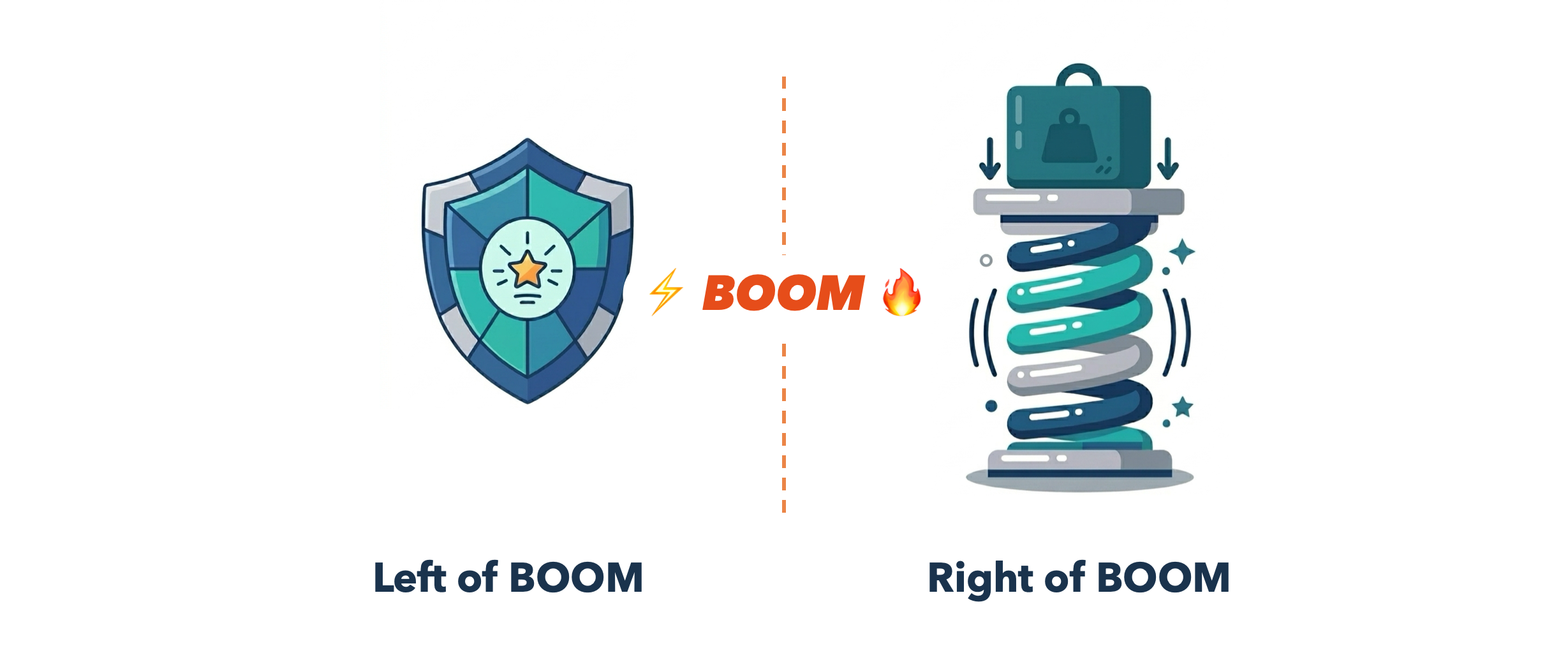
Can your security program tell the difference between a control that stops the bullet and one that stops the bleeding? Most can't: and that blind spot is costing you more than you think.
From Risk to Resilience: A Modern Approach to Cybersecurity Leadership
Move beyond gatekeeping. Align security with business goals to drive growth, resilience, and trust.
Security should empower, not hinder. Learn how to build resilience while driving speed and innovation.
Thrive in uncertainty. Master cyber risk navigation, strategic decision-making, and build resilience in a complex threat landscape.
Go beyond the fundamentals. Explore cutting-edge strategies to lead security at the highest level.
Can your security program tell the difference between a control that stops the bullet and one that stops the bleeding? Most can't: and that blind spot is costing you more than you think.
CISOs today must communicate cyber risk in terms CFOs and boards understand: cash flow, revenue disruption, and enterprise value. This article outlines a two-phase model for communicating cyber loss: Immediate Treasury Impact and Future Value Exposure, which aligns with how CFOs think about liquidity, treasury, cash reserves and growth risk. The approach allows CISOS to translate technical incidents into a financial narrative that supports strategic planning and investment.
Cybersecurity isn’t just about stopping attacks - it’s about safeguarding the company’s ability to execute its long-range financial plan. Enter Plan Disruption Probability (PDP), a metric that quantifies the likelihood of cyber-induced losses materially derailing financial targets. By measuring PDP, organizations can proactively manage risk within appetite and ensure business resilience.
The modern CISO's role has evolved from mere gatekeeper to growth enabler, necessitating collaboration with peers to elevate cybersecurity's strategic value to executive leadership.