
Beyond the Boom: How Controls Attenuate Loss Magnitude
Can your security program tell the difference between a control that stops the bullet and one that stops the bleeding? Most can't: and that blind spot is costing you more than you think.
Can your security program tell the difference between a control that stops the bullet and one that stops the bleeding? Most can't: and that blind spot is costing you more than you think.

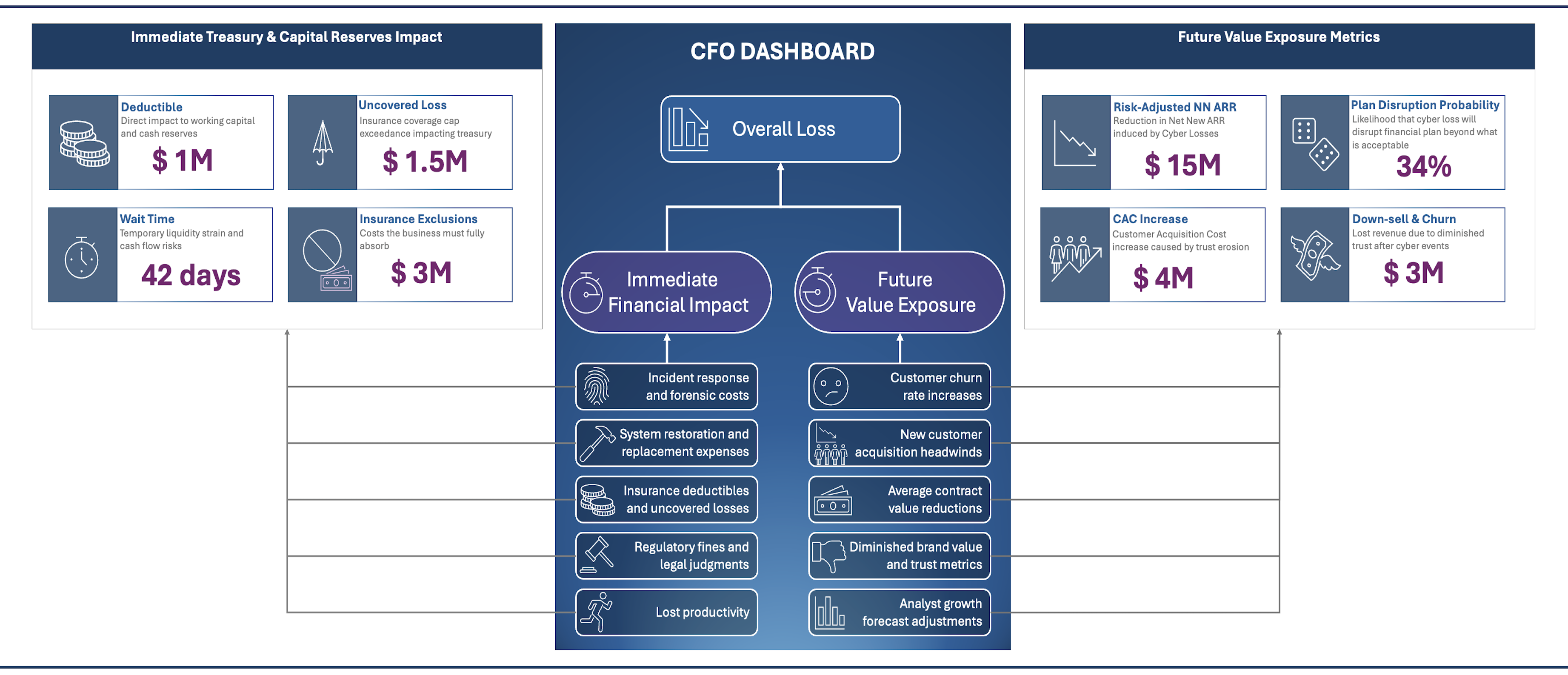
CISOs today must communicate cyber risk in terms CFOs and boards understand: cash flow, revenue disruption, and enterprise value. This article outlines a two-phase model for communicating cyber loss: Immediate Treasury Impact and Future Value Exposure, which aligns with how CFOs think about liquidity, treasury, cash reserves and growth risk. The approach allows CISOS to translate technical incidents into a financial narrative that supports strategic planning and investment.

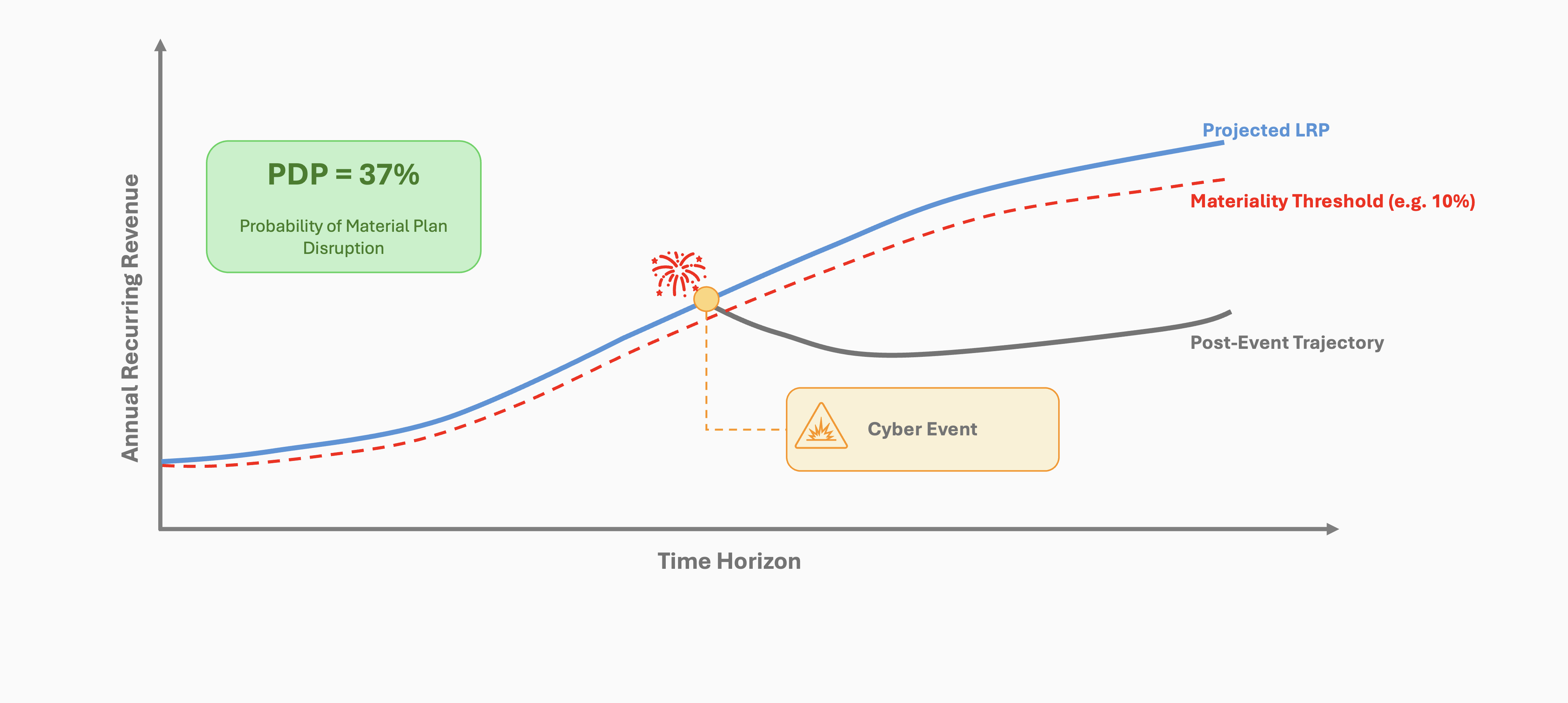
Cybersecurity isn’t just about stopping attacks - it’s about safeguarding the company’s ability to execute its long-range financial plan. Enter Plan Disruption Probability (PDP), a metric that quantifies the likelihood of cyber-induced losses materially derailing financial targets. By measuring PDP, organizations can proactively manage risk within appetite and ensure business resilience.